
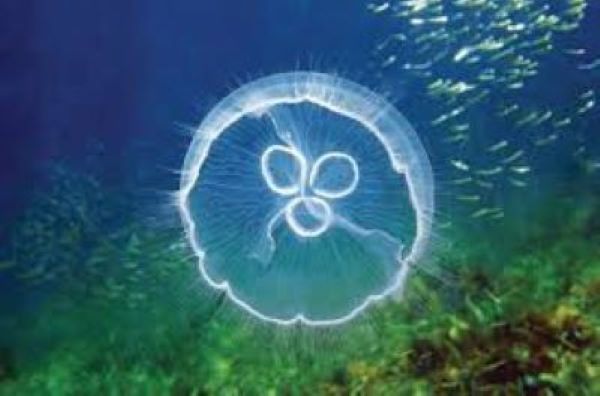
St. Croix, nestled in the heart of the Virgin Islands, is renowned for its pristine beaches and crystal-clear waters. However, from October 1 through April 1, a unique phenomenon occurs as jellyfish come closer to shore, creating an unusual blend of beauty and potential danger. This informational blog post aims to shed light on the fascinating lifecycle of these gelatinous creatures and provide essential tips to stay safe while enjoying the waters. Please protect yourself and your children from the jellyfish in the seasonal waters of the Virgin Islands.
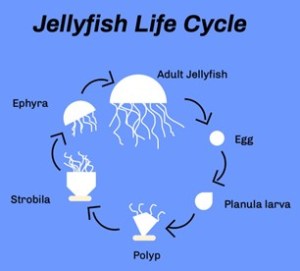
Jellyfish Lifecycle and Behavior
Jellyfish are captivating creatures with a lifecycle that spans up to 2 to 3 years. During the breeding season, from October to April, they engage in a morning feeding frenzy from 6 am to 10 am and an evening session from 5 pm onwards. Astonishingly, they can reproduce in minutes, with an adult jellyfish laying about 50,000 eggs per day. This rapid reproduction cycle results in a significant presence of jellyfish in the waters.
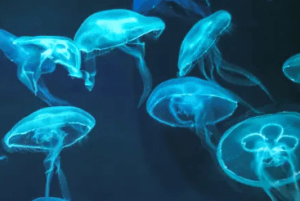
These translucent creatures pose a threat to swimmers and snorkelers who may be unaware of their presence. The jellyfish sting is not only painful but can lead to redness, swelling, and infection. Caution is advised, urging individuals to avoid touching any underwater animals, coral, or plants.
Health Concerns and Safety Measures
Over the years, hospitals and clinics in St. Croix have encountered numerous cases of jellyfish stings, ranging from minor discomfort to severe reactions. Swimmers should be aware of the potential symptoms such as headaches, vomiting, muscle spasms, and dizziness, and seek immediate medical attention if experiencing life-threatening effects.
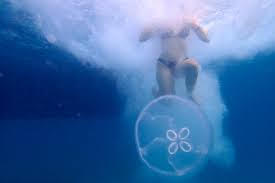
To minimize the risk of jellyfish encounters, it is crucial to stay out of the water during their feeding times. Even outside these hours, exercise caution, as one or two jellyfish may still be present, seeking shade under swimmers’ arms or legs.

Understanding the Presence of Jellyfish
Jellyfish are attracted closer to shore during the hurricane season, particularly from August to October. Stormy weather cools down the ocean, creating favorable conditions for jellyfish to feed on various prey, including fish eggs, brine shrimps, tiny fish, crabs, and even other jellyfish.
Many visitors will swim and are not aware of these jellyfish. When snorkeling along the shore, be cautious. The jellyfish sting is very painful, it starts as a burning sensation, and after it feels itchy, it hurts. There will be redness and swelling in the area where you got stung, rash, and infection from scratching. Caution at all times, do not touch any underwater animals, coral, or plants, It is ok to look but keep those hands away from harm’s way.
Notably, jellyfish are prey for various sea animals, including turtles, sharks, and whales. St. Croix’s waters are home to an abundance of turtles that relish the taste of jellyfish.
Why do jellyfish sting humans?
It is not intentional, but jellyfish have long tentacles that are defense mechanisms, while you swim during their time to feed. They use their sting to paralyze their prey and if humans are in their way, a touch of their neurotoxic venom is painful.
Protection and Remedies
To safeguard against jellyfish stings, wearing a dive suit is a recommended preventive measure. In the unfortunate event of a sting, prompt action is necessary for relief. The sting can be alleviated by washing the affected area with seawater and using vinegar at home. Additionally, applying ice, taking painkillers, and using antibacterial ointments can aid in the healing process. Some people claim that a shot of Cruzan Rum can be helpful, not sure if they are drinking it or applying it. Lol…
“Why Do Jellyfish Approach the Shore in the Virgin Islands?
During the peak months of hurricane season in the Virgin Islands, from August to October, a unique phenomenon occurs as storms bring jellyfish closer to shore. The turbulent weather not only draws them in but also cools down the ocean, creating ideal conditions for jellyfish to feed on various delicacies. This includes fish eggs, brine shrimps, tiny fish, crabs, plants, and even their kind.
Interestingly, jellyfish, typically prey for other sea animals, become a sought-after delicacy for creatures like turtles, sharks, and whales. St. Croix, in particular, boasts a significant turtle population that relishes jellyfish. Sandy Point Wildlife Refuge in Frederiksted serves as a nesting habitat for leatherback turtles, showcasing the intricate ecological balance.
It’s not just marine life that appreciates the taste of jellyfish; humans worldwide, including Virgin Islanders, capture them for exotic dishes.

Natural Remedies
For those seeking natural remedies, tan tan leaves and aloe can be applied to the affected area. Tamarind tea, infused with tamarind leaves, lime/lemon, and mint leaves, has anti-inflammatory properties that may ease pain and headaches.

In conclusion, while the waters of St. Croix offer a mesmerizing experience, being aware of the seasonal presence of jellyfish is crucial for a safe and enjoyable aquatic adventure. By understanding their behavior and taking preventive measures, visitors and locals alike can coexist harmoniously with these fascinating creatures in the stunning waters of the Virgin Islands.