

St. Croix’s tranquil beaches are the ideal place to take a dip in the crystal blue waters, but you should know to tread carefully as you go. The sea has all sorts of unique sealife lurking below the water’s surface. One organism to watch out for is an intriguing but potentially prickly resident – called the sea urchin. If you’re not careful, it could put a major damper on your tropical vacation, a sore foot is not the best souvenir to take home with you. Here are some tips in the event you happen to encounter one of these spiny little creatures.
1. Don’t Tread on a Sea Urchin
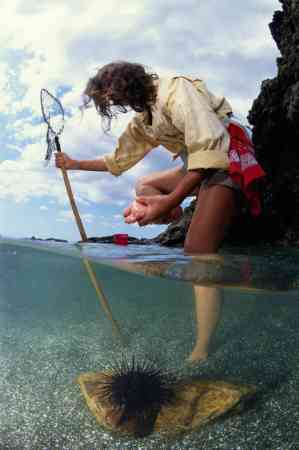
First things first, when you’re out there in the ocean, be aware and do your best to avoid stepping on a sea urchin. These creatures are not your typical beachcombing finds. They have a hard, round exterior covered in sharp spines ranging from 2 to 18 inches in diameter. At first glance, they can easily be mistaken for a sea plant adhered to rocks. But be warned, their spines are sharp and can readily pierce your skin if you’re not cautious.
In the Virgin Islands, you’ll often encounter the black and white varieties, ranging in size from a mere 2 inches near the shore to much larger specimens in deeper waters. The largest ones you’ll find along the shore usually measure around 6 inches. When the tides rise, sand might conceal these creatures on the rocks, making them even harder to spot.
For safety, it’s advisable to wear water shoes with thick soles or simply steer clear of the rocky areas. Many adventure-seekers choose to dive to explore the underwater wonders without risking a painful encounter with these mysterious beings.

2. What Happens When You Step on a Sea Urchin?
Stepping on a sea urchin can be quite agonizing, as its numerous spines can puncture your foot. Removing these spines can be a challenging task, and if any spines are left behind, they might lead to infections and deeper burrowing into your skin tissue. This can result in issues like blisters (dermatitis), joint and muscle pain, as well as the potential for bacterial, viral, or fungal infections. It’s worth noting that sea urchins are not poisonous; their spines serve as a defensive mechanism against predators that find them delectable.
One question that often arises is whether you can touch or hold a sea urchin. The answer is yes, you can, but with great care. Their spines are their primary defense mechanism, and if handled too roughly, you may end up with a painful reminder of their presence. It’s advisable to handle them gently and with respect for their delicate anatomy.
3. Dining on Sea Urchins: A Culinary Delight
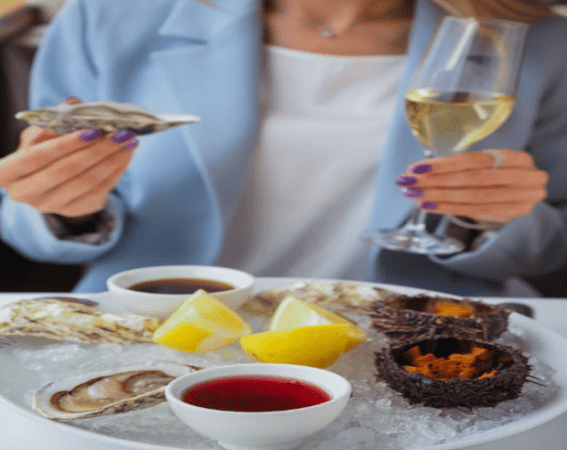
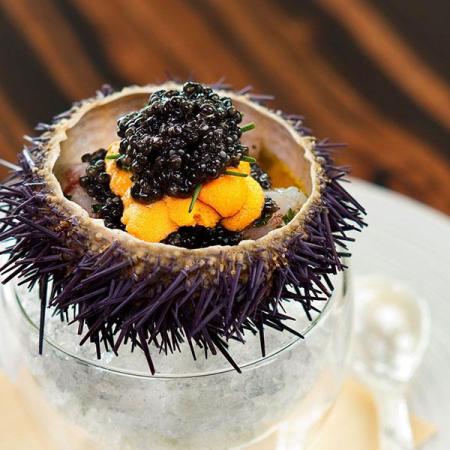
Perhaps you’re a food enthusiast wondering about the culinary potential of sea urchins. The good news is that they are indeed edible. Sea urchins are considered a delicacy in many parts of the world, particularly in regions with a strong seafood tradition. They are known for their rich, briny, and slightly sweet taste, often likened to the flavor of the ocean itself. The edible part of the sea urchin is the roe, which is usually bright orange or yellow. It can be enjoyed fresh, as sushi or sashimi, or incorporated into various dishes like pasta and risotto. However, it’s important to note that you should only consume sea urchins from reputable sources, as consuming wild-caught sea urchins can hurt their populations.

How to Get the Spines Out?
Now, let’s discuss what to do if you happen to have a painful encounter with sea urchin spines. Although it is painfully hellish to get the spines out, you must remove them immediately and keep the affected areas clean with peroxide or alcohol. Be sure to keep tweezers in your emergency kit.
1. Clean the Area:
- Start by thoroughly cleaning the affected area.
2. Take Painkillers:
- Consider taking painkillers to manage the discomfort.
3. Use Tweezers:
- Gently use tweezers to pull the spines out. Be as delicate as possible to avoid further injury.
4. Inspect with a Magnifying Glass:
- Use a magnifying glass to inspect for any deep spines that might have penetrated the skin.
5. Soft Candle Method:
- In some cases, you can use a soft candle to help draw the spines out. Here’s how:
- Add the soft candle to the affected area.
- Take a lighter and carefully heat the soft candle.
- When it melts, stick it to the skin.
- After 24 hours, if the spine doesn’t come out, repeat the same method. The best time to apply this is before bedtime for an overnight treatment.
6. Natural Remedy:
- A natural remedy involves drinking garlic tea with a squeeze of lime to help draw out the spines. This is a longer process, taking about 3-5 days, with 3 cups of tea a day, and ibuprofen for pain and swelling.
7. Seek Medical Attention:
- If the spine is too deep to reach or you experience severe symptoms, it’s essential to seek medical attention promptly.
In conclusion, sea urchins are a remarkable part of the ocean’s biodiversity. As you embark on your aquatic adventures, keep these tips in mind to ensure a safe and enjoyable experience. Whether you’re cautiously observing them in their natural habitat or savoring their delectable roe on your plate, sea urchins are a captivating and sometimes surprising part of the marine world. And should you encounter those pesky spines, now you know how to handle the situation with care and caution.
Sea Urchin Delightful recipes
Recipes: https://www.yummymummykitchen.com/2022/06/uni-sea-urchin.html
Interesting Sea Urchin Stories
Scientists reported in 2022 the massive death of sea urchins around the Caribbean. Read more.
Sea Urchins: The Biology and Life Story of This Mysterious Ocean Floor Dweller. Read more