
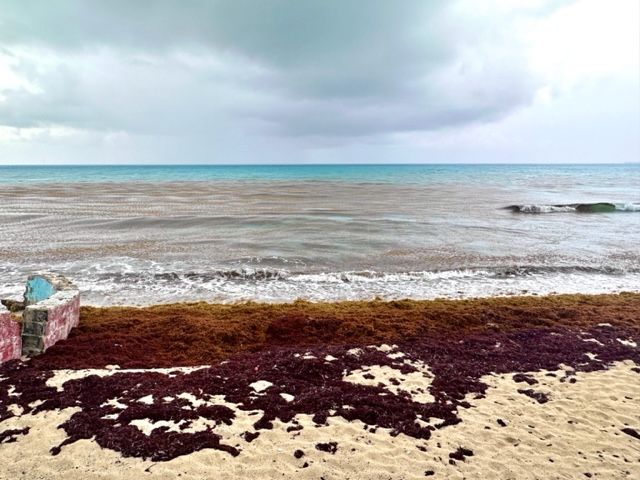
As summer draws near on the beautiful island of St. Croix, another annual visitor is making its presence known—the great Atlantic sargassum belt. With rising temperatures, this leafy-looking, sepia-toned algae finds its way to the island’s shores, creating both challenges and opportunities for locals and visitors alike. In this blog post, we’ll explore the phenomenon of sargassum on St. Croix, its impact on the ecosystem, and how to make the most of your beach experience despite its presence.
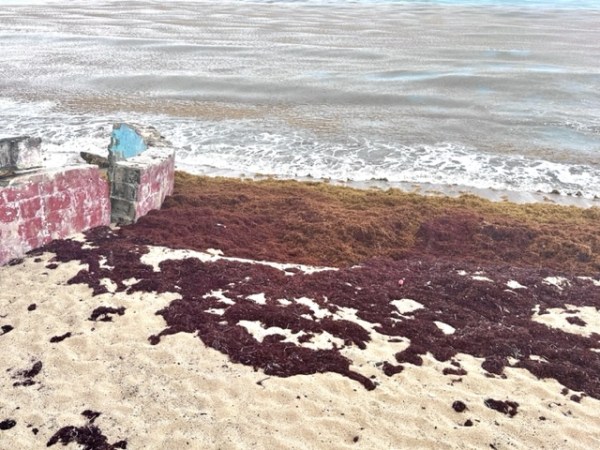
Understanding Sargassum: Sargassum is a unique algae that forms large patches known as the great Atlantic sargassum belt, spanning over 5000 miles, and weighing over 10 million tons. While sargassum has always been a part of the marine environment, its abundance has notably increased in the past decade. Originating from West Africa, this belt swirls around in the Gulf of Mexico before returning to the Atlantic Ocean. The belt’s size fluctuates as it passes through different regions, including St. Croix.
Challenges Posed by Sargassum: When sargassum arrives on St. Croix’s beaches, it can present some inconveniences. Decomposing sargassum releases hydrogen sulfide gas and ammonia, which may cause respiratory, skin, and neurocognitive symptoms. Additionally, the distinct smell, reminiscent of rotten eggs, is hard to miss. Boaters may encounter difficulties as sargassum can get tangled in propellers and intakes, affecting navigation.
The Importance of Sargassum: While sargassum poses challenges, it plays a vital role in the ecosystem. It serves as a breeding ground for numerous fish species and contributes to the energy cycle by generating carbon. Despite the temporary disruptions it causes, sargassum brings both ecological benefits and intriguing natural phenomena to St. Croix.
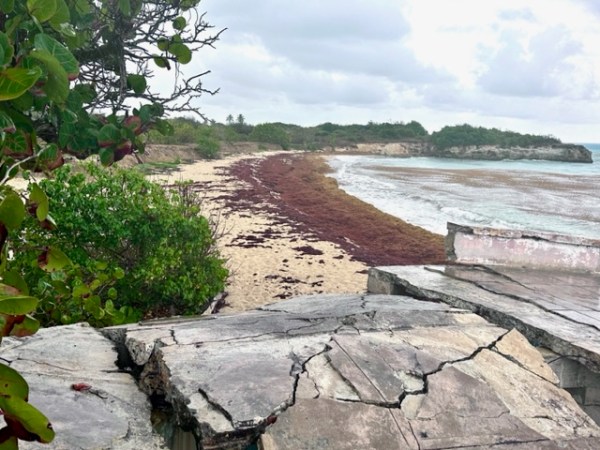
Dealing with Sargassum: If you’re planning a beach visit during the sargassum season, it’s essential to be prepared. Keep in mind the following tips to make the most of your day:
- Stay informed: Stay updated on the sargassum situation by checking local reports or beach advisories. Conditions can change rapidly, and it’s helpful to know which beaches are more affected than others.
- Health precautions: Avoid walking or swimming in areas with dense sargassum accumulations, as decomposing algae can release harmful gases. Take necessary precautions to protect yourself from potential respiratory or skin irritations.
- Adapt and explore: If your planned beach is heavily affected by sargassum, don’t let it spoil your day. St. Croix is blessed with numerous beautiful beaches, so consider exploring an alternative location where sargassum levels are lower. Embrace the adventure and discover new stretches of pristine sand.
- Appreciate the ecosystem: While sargassum may cause inconveniences, take a moment to appreciate its ecological significance. Observe the marine life that utilizes this floating habitat, and marvel at the interconnectedness of nature.
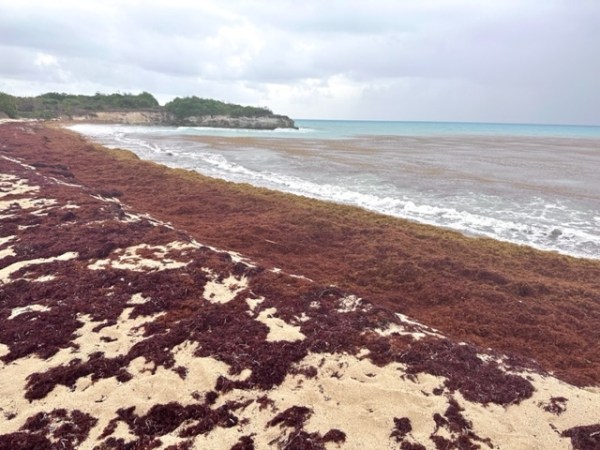
In conclusion, as summer unfolds on St. Croix, the arrival of sargassum brings both challenges and opportunities. By understanding the nature of this annual phenomenon, we can adapt our plans and make the most of our time on the island’s stunning beaches. Remember to stay informed, prioritize your health, and embrace the chance to explore different beach locations. Despite its temporary inconveniences, sargassum reminds us of the delicate balance of our marine ecosystem and offers a unique glimpse into the wonders of nature.